Serving Oceanside, CA and surrounding areas. (442) 287-1969
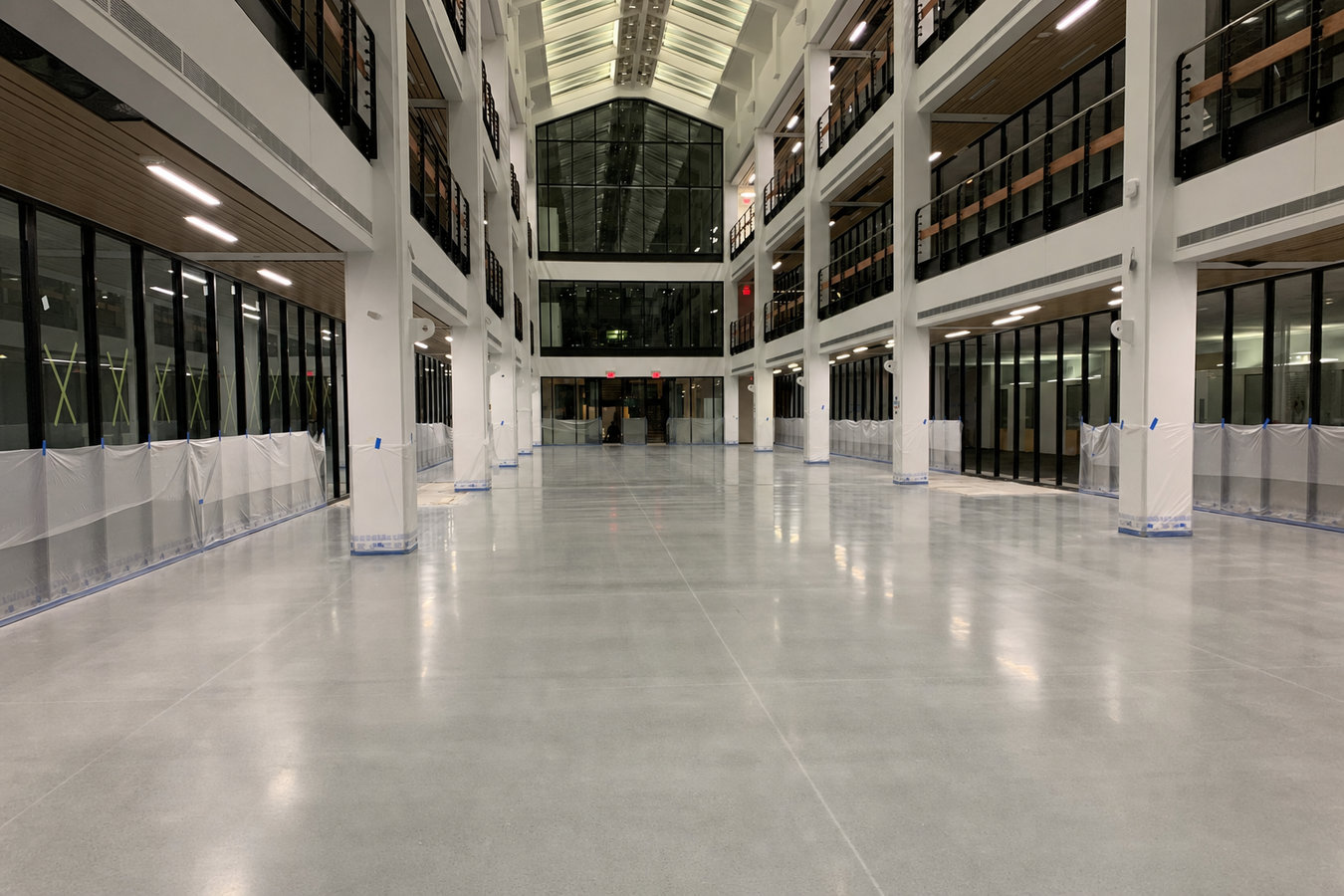
Uneven floors crack tile, lift flooring, and make rooms feel off. Self-leveling pours fill dips and create a solid, flat surface - without tearing out your existing slab.
Self-leveling concrete in Oceanside is a specially mixed material that flows across a floor and settles into a smooth, flat surface on its own. It is poured as a liquid, spreads to fill low spots and uneven areas, and hardens into a solid base or finished surface - most residential jobs completed in a single day, with light foot traffic possible within 24 hours. It is one of the most cost-effective ways to fix a floor that has settled, developed dips, or become too uneven for new flooring to sit correctly on.
In Oceanside, much of the housing stock was built in the 1960s through 1980s - particularly in areas like South Oceanside and the neighborhoods around Camp Pendleton. Slabs from that era were poured to different standards than today, and after 40 to 60 years of use, they commonly develop low spots, surface deterioration, and uneven settling. That is exactly the situation self-leveling concrete is designed for. When the goal after leveling is a finished decorative surface, concrete resurfacing and overlays pick up where the leveling work leaves off.
If furniture rocks slightly, water pools in one spot after mopping, or you can feel a distinct low point when you walk across the room, your floor has likely settled unevenly. This is one of the most common reasons Oceanside homeowners call for leveling work, especially in homes built on the sandy coastal soils common in this area. A floor that was once flat does not fix itself - the unevenness only becomes more noticeable over time.
When the concrete beneath a finished floor is not flat, the flooring on top has no solid support. Tiles crack along grout lines, vinyl planks separate at the edges, and laminate develops a springy or hollow feel underfoot. If you have replaced flooring more than once in the same spot and the problem keeps returning, the issue is almost certainly the uneven concrete underneath - not the flooring material.
Flooring installers measure flatness before they start, and many will not proceed - or will not warranty their work - if the floor is too uneven. If you have gotten this feedback, a self-leveling pour is typically the correct next step. It is far less expensive than tearing out the slab and gives the new flooring the solid base it needs to perform correctly.
Older Oceanside homes with exposed concrete floors in garages, laundry rooms, or converted spaces often show surface deterioration after decades of use and coastal humidity. If the surface looks rough, has small craters or flaking patches, or has cracks that are widening, an overlay can restore it without the cost of full replacement. This is especially common in 1970s and 1980s homes where the original slab was never sealed.
Every job starts with a thorough site assessment - we test the existing slab for moisture, measure how far out of level the floor is, and identify any cracks or soft spots that need to be addressed before the pour. In Oceanside, moisture testing is particularly important because coastal humidity and groundwater conditions create a higher risk of moisture vapor coming up through the slab. If we find elevated moisture readings, we will address that before proceeding - applying a self-leveling product over a wet slab leads to bubbling, peeling, and eventual failure. We use only California VOC-compliant primers and overlay systems, which matters both for your safety and for future permit and resale documentation.
Once the slab is prepped, we apply a bonding primer and pour the self-leveling material. The product flows across the floor and we guide it into corners and edges with a gauge rake. Most residential spaces are completed in a single day. When the leveling is being done as a base for finished flooring or a decorative overlay, concrete resurfacing and overlays follow the leveling work - and for outdoor pool areas and patios, pool deck coatings provide the sealed, slip-resistant finish those spaces require.
Suits interior floors - living rooms, hallways, kitchens - that have developed dips, slopes, or uneven settling and need a flat base before new flooring is installed.
Suits garage floors and utility spaces with surface deterioration or minor unevenness where a clean, sealed surface is the goal without a full decorative finish.
Suits homeowners who want a finished, visible surface - polished, tinted, or textured - applied over the leveled slab rather than installing separate flooring on top.
Much of Oceanside is built on sandy coastal soils that shift and settle more than clay-heavy soils found further inland. When the ground beneath a slab moves - even slightly - the concrete above develops low spots, cracks, and uneven areas over time. This is one of the main reasons Oceanside homeowners find themselves needing leveling work sooner than expected, particularly in neighborhoods closer to the San Luis Rey River basin and coastal tracts. Homes in Carlsbad share similar sandy coastal soil conditions, and we regularly address the same settling patterns in both cities.
Oceanside mild, year-round climate - temperatures that stay between roughly 55 and 80 degrees for most of the year - is close to ideal for self-leveling materials to cure properly. Unlike most of the country, there is no winter freeze that prevents scheduling, and no extreme summer heat that can cause the material to set too quickly before the crew can guide it into place. The coastal humidity does require moisture testing before every pour, and the products we use meet California strict VOC standards - both important factors for work done in homes near the coast. Homeowners in Encinitas and other coastal communities face the same humidity and soil conditions, and we bring the same moisture-first approach to every job in the region.
We will ask you the size of the space, what the floor looks like now, and what you are hoping to end up with. Most contractors schedule an in-person visit before giving a firm price because the condition of the existing slab makes a big difference. You will receive a written estimate that separates labor and materials. We reply within one business day.
Before any work begins, we inspect the floor for cracks, soft spots, and how far out of level it actually is. In Oceanside, we also check for moisture coming up through the slab - a common issue in coastal areas that must be addressed before the overlay goes down.
You need to clear the space completely before the crew arrives - all furniture, rugs, appliances, and anything stored on the floor. If baseboards or thresholds sit close to the floor, ask whether those need to come off first. The more completely you prepare, the faster and cleaner the result.
The crew cleans and grinds the surface, applies a bonding primer, and pours the self-leveling material. Most jobs finish in a single day. After 24 hours you can walk on the floor. Keep furniture off for 48 to 72 hours. We walk the finished surface with you before leaving and confirm the next steps.
We test for moisture first, give you a clear written estimate, and do not start until you know exactly what is included and what it costs.
(442) 287-1969In Oceanside, moisture coming up through the slab is a real and common risk - not something we check for only if it looks wet. We test every slab before any leveling material goes down. If moisture readings are too high, we tell you what needs to happen before we proceed. This step prevents the failure mode that causes self-leveling pours to bubble or peel - and it is non-negotiable on coastal jobs.
California has stricter rules than most states about the chemical content of coatings, primers, and sealers used in construction. We use only products that meet California VOC standards - including the overlay systems and bonding agents applied in your home. This matters for your health during and after installation, and for documentation if you ever sell your home or pull a permit for related work.
A 1970s slab in Oceanside often needs significantly more prep than a newer slab in a different city - the surface may be powdery, have old coatings, or require crack repair before the overlay can bond properly. We assess this honestly at the estimate visit rather than quoting a low number and adding prep costs once we are on site. You know what is included before work begins.
We work regularly throughout Oceanside and the surrounding coastal communities and understand the soil conditions, marine humidity, and aging housing stock that affect how leveling work performs here. That local experience shows up in how we sequence a job, which products we choose, and how we set realistic expectations for your specific situation. Learn more about concrete standards from the American Concrete Institute.
Self-leveling concrete work in a coastal city requires more upfront testing and product selection than the same work inland. Getting those steps right is what separates a floor that stays flat from one that develops problems within the first year.
Once the floor is level, pool deck coatings and overlays provide the textured, moisture-resistant surface finish that Oceanside outdoor spaces require.
Learn MoreFor surfaces that need a decorative or protective top layer after leveling, concrete resurfacing overlays complete the job with color, texture, and sealing.
Learn MoreCall us today for a free estimate - we will assess your slab, test for moisture, and give you a clear picture of what it takes to fix it right.