Serving Oceanside, CA and surrounding areas. (442) 287-1969
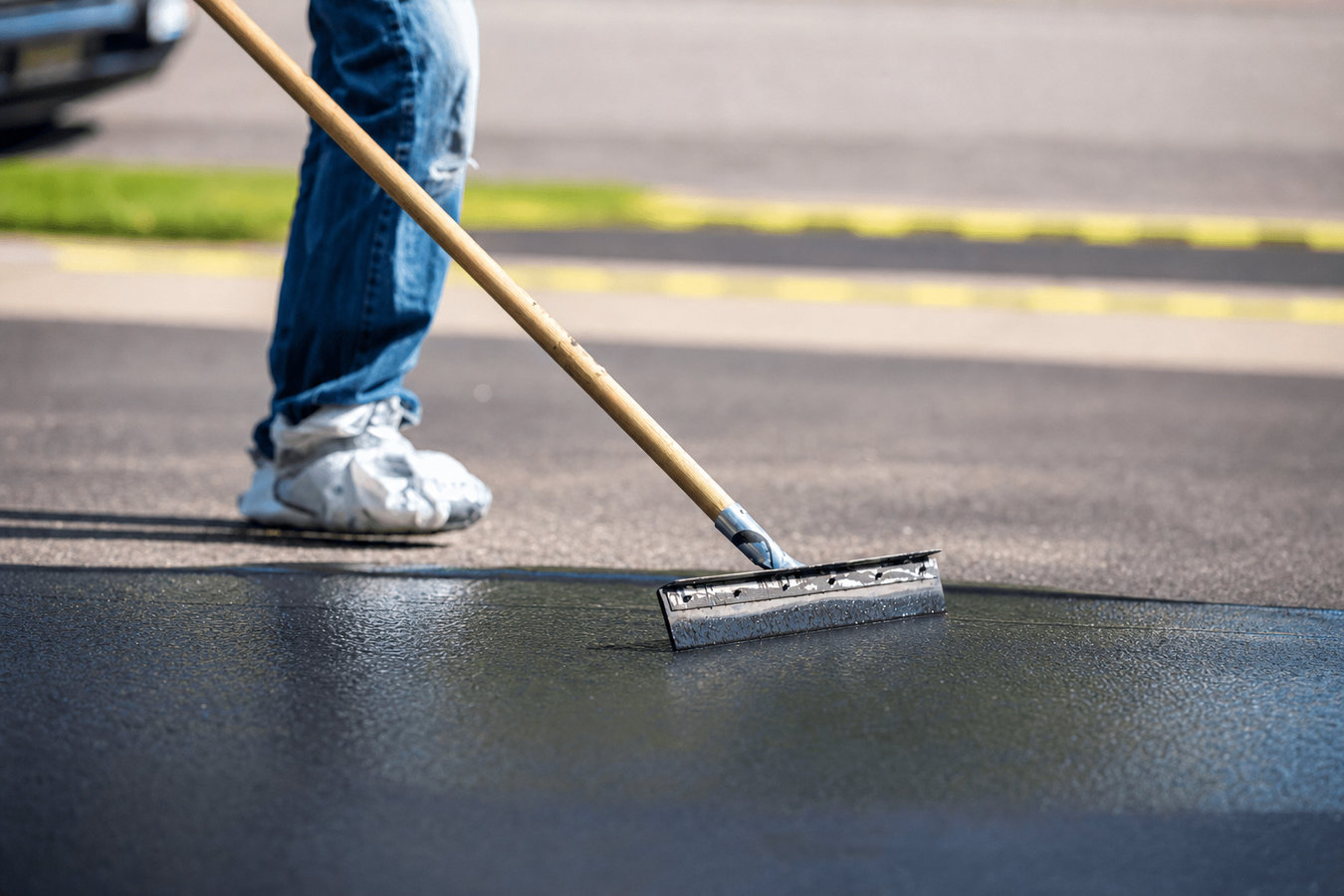
Salt air and coastal moisture attack unsealed concrete every day. We prep the surface properly and apply the right sealer so your driveway, patio, or garage floor holds up for years.
Concrete sealing in Oceanside means applying a protective layer to your driveway, patio, garage floor, or walkway so water, oil, and salt cannot soak into the surface and cause damage. Most residential jobs take a few hours of active work, with the surface ready for foot traffic within 24 hours and vehicles within 48 to 72 hours. The sealer choice - penetrating or topical - depends on the look you want and what the surface is exposed to.
Unsealed concrete is porous. It absorbs what it touches, and in a coastal city like Oceanside, that includes salt-laden air every single day. Over time that moisture and salt work into the concrete from the inside, leading to cracking, surface flaking, and staining that becomes permanent. Sealing is the preventive step that stops this before it starts. For surfaces that already show damage or that need to be ground flat before sealing, proper concrete grinding and surface preparation is the step that comes first and makes everything else hold.
Pour a small cup of water on your driveway or patio. If it beads up and sits on the surface, the sealer is still working. If it soaks in and darkens the concrete within a few seconds, the protective layer is gone. This is the clearest sign it is time to reseal, and the easiest test you can do yourself in under a minute.
If you notice white, powdery patches or a hazy film on your concrete - especially near the edges or in low spots - that is often salt and moisture working their way in. In Oceanside, this is particularly common on driveways and patios within a mile or two of the coast, where salt air is most concentrated. Left alone, this process leads to surface cracking and flaking.
Concrete that was once a consistent color but now looks blotchy, oil-stained, or washed out has lost its protective coating. Stains from car fluids, rust from patio furniture, or general grime that will not wash off are signs the surface is absorbing what it should be repelling. Sealing will not erase deep stains, but it will stop new ones from forming.
Hairline cracks that are growing mean water is getting in. In Oceanside coastal climate, that water carries salt, which speeds up the cracking process. Catching this early means you can repair the cracks and seal the surface before the damage becomes expensive. If you are seeing cracks wider than a pencil lead, do not wait.
Every sealing job starts with surface preparation - cleaning, degreasing, and filling any cracks before a drop of sealer goes down. Skipping prep is the most common reason a sealing job fails early, and it is the step that separates a one-year result from a two- to three-year result. For surfaces that need more than cleaning - old coatings, rough textures, or significant surface damage - we pair sealing with concrete grinding and surface preparation first, so the sealer bonds to clean, properly profiled concrete rather than whatever was there before.
We apply sealer in two thin coats rather than one thick one - this gives better, longer-lasting coverage. We also check the timing relative to Oceanside morning marine layer, because sealer applied to damp concrete will peel. That means we schedule application for late morning or early afternoon when the surface is genuinely dry, not first thing in the fog. For polished concrete surfaces, polished concrete flooring builds protection into the slab itself through densifiers and surface sealers applied during the polishing process - a different approach worth discussing if you are considering a long-term upgrade.
Suits driveways and patios where you want maximum protection without changing how the concrete looks - no sheen, no color shift.
Suits homeowners who want a richer, slightly wet-look finish with a visible protective layer on garage floors or decorative concrete.
Suits surfaces with hairline or minor cracks that need to be filled and sealed in one visit before damage spreads further.
Oceanside sits right on the Pacific, and the salt carried in the ocean breeze works its way into the pores of unsealed concrete and slowly breaks the surface apart from the inside. Oceanside homeowners typically need to reseal more frequently than inland homeowners, and the quality of the sealer used matters more here than it would in a drier city. Homes built in the 1960s through 1980s - many in the neighborhoods closest to the beach and the Camp Pendleton corridor - often have concrete that is more porous and needs extra cleaning and sometimes a primer coat before sealing. Homeowners in Encinitas face similar coastal salt air conditions, but Oceanside older housing stock adds the variable of decades-old concrete that absorbs more.
Oceanside famous morning marine layer - the low coastal fog that rolls in overnight and burns off by late morning - means concrete surfaces are often damp in the early hours. Experienced local contractors know to schedule sealing work for mid-morning or early afternoon, after the surface has dried out fully. If you are in an HOA-governed community, the finish and sheen of your driveway or patio may be regulated - a matte penetrating sealer is generally acceptable anywhere, while a glossy topical finish sometimes requires HOA approval first. Homeowners in Carlsbad deal with a similar mix of HOA restrictions and coastal salt exposure.
We ask a few quick questions - what type of surface, roughly how large, and whether you have noticed any cracking or staining. We respond within one business day and can usually schedule a site visit the same week.
We walk the surface with you, check for cracks, staining, and signs of previous sealers. We let you know whether repairs are needed before sealing and give you a written quote before any work is scheduled.
Prep is the most important part of the job - we clean, degrease, and fill any cracks before the sealer goes down. We schedule application for after the marine layer has cleared and apply two thin coats for full, even coverage.
Most sealers are ready for foot traffic in 24 hours and vehicles in 48 to 72 hours - sometimes longer in humid coastal conditions. Before we leave, we walk you through what cleaning products are safe and when to expect to reseal again.
Free estimate, no obligation. We check the surface, explain what we find, and give you a written quote before any sealer is mixed.
(442) 287-1969Sealing damp concrete is one of the most common reasons a sealing job fails within a year. We schedule application for after the morning fog has burned off and verify the surface is dry before opening any sealer - so the product bonds the way it is supposed to and gives you the full service life.
Cleaning, degreasing, and crack filling happen before any sealer goes down on every job. A contractor who starts applying sealer within the first 20 minutes of arriving on site has not done the prep. We spend real time on the surface before we open a can - because that time is what makes the result last two to three years instead of one.
Many Oceanside neighborhoods are HOA-governed with rules about driveway and patio appearance. We ask about your HOA requirements before recommending a product, so you do not end up with a high-gloss finish your association requires you to redo. The right sealer for your home depends on more than just the concrete.
Older Oceanside homes near the coast often have concrete that is more porous and more heavily damaged than what you find inland. We assess this honestly during the site visit and explain what prep the surface needs before sealing - including whether a primer coat is warranted. Portland Cement Association standards for sealer selection guide the products we recommend for coastal environments.
Concrete sealing is one of the most cost-effective things you can do to protect your property in a coastal city. The alternative - letting salt and moisture work through unsealed concrete year after year - means paying for repairs or replacement instead of routine maintenance. For guidance on sealer types and concrete protection standards, the Portland Cement Association and the Concrete Network are reliable sources for homeowner research.
When sealing alone is not enough - overlay systems that repair, resurface, and protect damaged concrete before a sealer is applied.
Learn MoreA ground-and-sealed finish that builds protection directly into the surface rather than applying a separate topical coating.
Learn MoreCall today or request a free estimate online. We can typically schedule a site visit within the same week and get your concrete sealed before the next marine layer rolls in.